
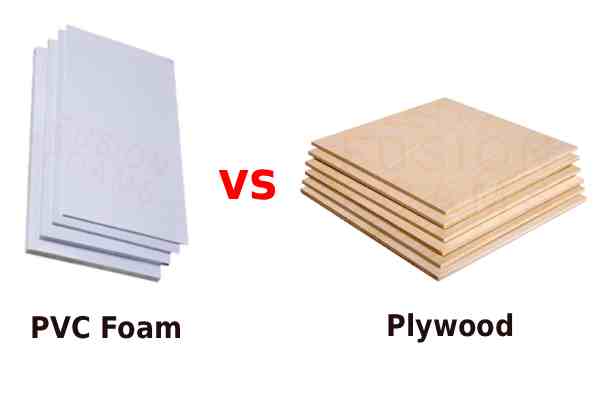
Choosing the right building material is critical for durability, cost-efficiency, and long-term performance. Two of the most widely used materials in interior and construction Applications today are PVC foam boards and plywood. While plywood has been a traditional choice for decades, PVC Foams boards are rapidly emerging as a modern alternative due to their waterproof nature, durability, and low maintenance.
Manufacturers like Fusion Foams, known for advanced polymer-based material solutions, are contributing to the growing adoption of high-performance PVC foam boards across residential, commercial, and industrial spaces.
This comparison helps builders, architects, contractors, and homeowners understand PVC Foam vs Plywood and decide which material is better suited for their project.
What is PVC Foam Board?
PVC foam board is a lightweight, rigid sheet made from polyvinyl chloride (PVC) with a foamed core structure. It is widely used in furniture, modular kitchens, wall paneling, partitions, signage, and wet-area interiors because of its moisture resistance and durability.
Key Characteristics:
- Waterproof and moisture-resistant
- Termite and pest-resistant
- Lightweight yet strong
- Smooth surface for laminates and finishes
- Low maintenance
What is Plywood?
Plywood is an engineered wood product made by bonding thin layers (veneers) of wood together. It has been a popular material for furniture, cabinets, and construction due to its strength and natural appearance.
Key Characteristics:
- Made from natural wood layers
- Strong and load-bearing
- Available in multiple grades
- Susceptible to moisture if not treated
- Requires maintenance over time
PVC Foam vs Plywood – Detailed Comparison
| Feature | PVC Foams Board | Plywood |
| Water Resistance | 100% waterproof | Can swell or warp if exposed to moisture |
| Termite Resistance | Termite-proof | Vulnerable to termite attacks |
| Durability | Long-lasting, does not rot | Can decay over time |
| Weight | Lightweight | Heavier |
| Maintenance | Low | Requires polishing and treatment |
| Fire Resistance | Self-extinguishing properties | Combustible |
| Surface Finish | Smooth, ready for laminates | Needs polishing/finishing |
| Environmental Impact | Recyclable, less wood usage | Requires timber resources |
Why PVC Foam Boards Are Replacing Plywood
1️⃣ Waterproof Advantage
Unlike plywood, PVC foam boards do not absorb water. This makes them ideal for:
- Kitchens
- Bathrooms
- Utility areas
- Coastal regions
Plywood can deteriorate in damp conditions, whereas PVC foam remains stable.
2️⃣ Long-Term Durability
PVC foam boards do not:
- Rot
- Swell
- Crack due to humidity
Plywood may weaken over time, especially in high-moisture environments.
3️⃣ Termite & Pest Resistance
One of the biggest disadvantages of plywood is termite damage. PVC foam boards eliminate this risk.
4️⃣ Low Maintenance
PVC foam boards do not require:
- Regular polishing
- Anti-termite treatment
- Moisture protection coatings
This reduces lifecycle costs significantly.
5️⃣ Lightweight & Easy Installation
PVC foam boards are easier to transport, cut, and install, which lowers labor costs and installation time.
Where Plywood Still Has an Advantage
While PVC foam boards are superior in many aspects, plywood may still be preferred in some applications:
- High structural load-bearing requirements
- Natural wood aesthetics
- Traditional carpentry applications
However, for most interior and furniture uses, PVC foams provides a more practical solution.
Applications of PVC Foam Boards
PVC foam boards are widely used in:
✔ Modular kitchen cabinets
✔ Bathroom vanities
✔ Wall cladding and partitions
✔ Office furniture
✔ Retail interiors
✔ Signage and display boards
These applications demand moisture resistance, durability, and long life — areas where PVC foam outperforms plywood.
Cost Comparison
While plywood may appear cheaper initially, the maintenance, repairs, and replacement costs over time often make it more expensive in the long run. PVC foam boards offer better lifecycle value due to durability and minimal upkeep.
Which is Better: PVC Foam or Plywood?
The answer depends on application needs:
| If you need… | Choose |
| Waterproof performance | PVC Foam Board |
| Termite resistance | PVC Foam Board |
| Long lifespan with low maintenance | PVC Foam Board |
| Natural wood look | Plywood |
| Heavy structural strength | Plywood (specific grades) |
For modern interiors, kitchens, and commercial spaces, PVC foam boards are becoming the preferred choice.
Final Thoughts
The shift from plywood to PVC foam boards reflects the growing demand for durable, moisture-proof, and low-maintenance building materials. While plywood remains relevant in certain traditional applications, PVC foam boards offer clear advantages in modern construction and interior design.
For projects where longevity, hygiene, and performance matter, PVC foams boards represent the future of building materials.
Frequently Asked Questions (FAQs)
Q1. Is PVC foam stronger than plywood?
PVC foam is highly durable and resistant to moisture and pests, while plywood may be stronger in structural load-bearing applications.
Q2. Can PVC foam replace plywood in furniture?
Yes, PVC foam boards are widely used in cabinets, wardrobes, and modular furniture.
Q3. Is PVC foam waterproof?
Yes, PVC foam boards are completely waterproof.
Q4. Does plywood last longer than PVC foam?
In dry indoor conditions, plywood can last long, but PVC foam generally has better longevity due to moisture and termite resistance.
Q5. Which material is better for kitchens?
PVC foam boards are better due to water resistance and hygiene benefits.
Follow Us – Google My Business