
Our Products
Need Help? We Are Here To Help You
Call Us now
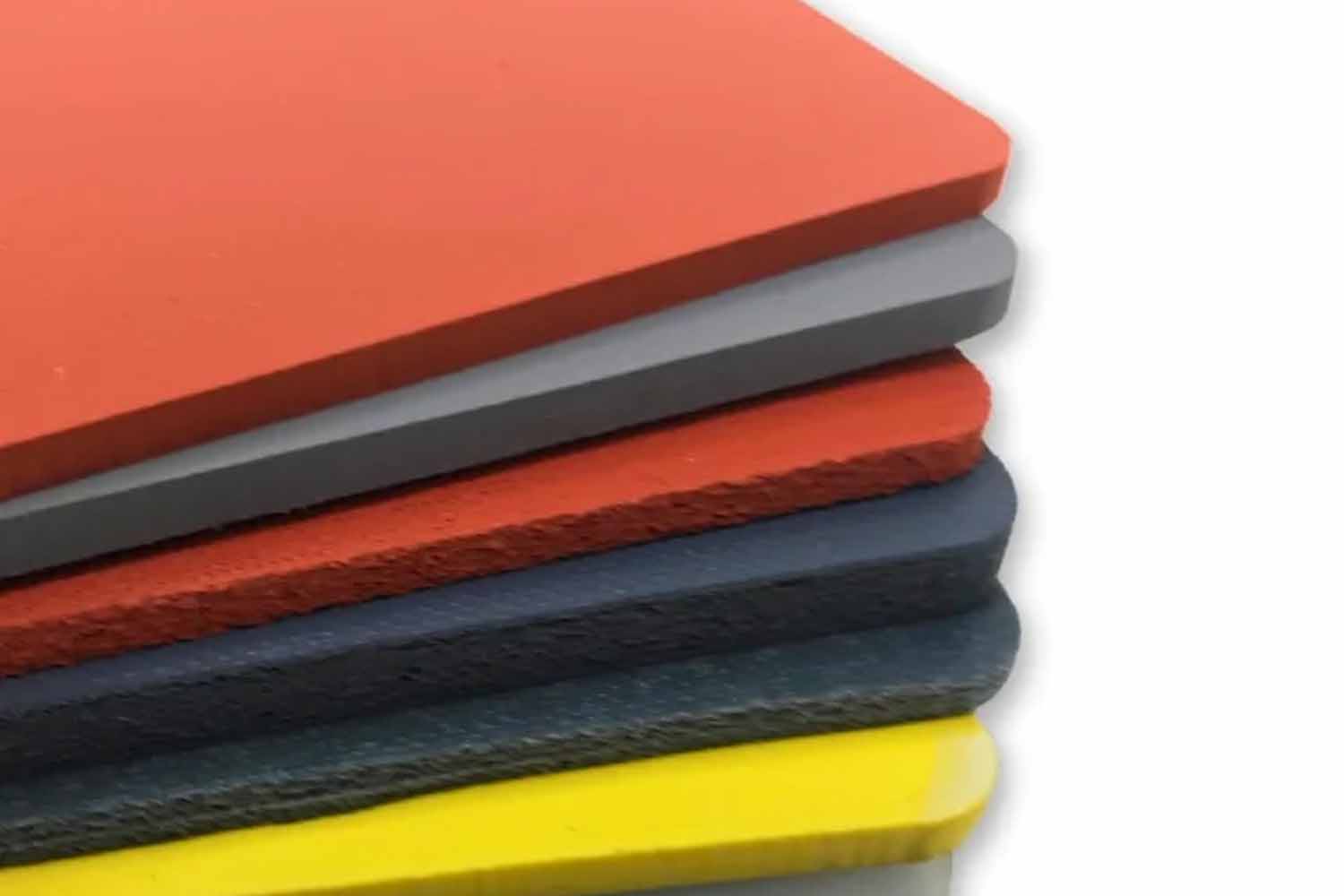
Why Silicone Foam Is the Go-To Material for Extreme Industrial Conditions
In industrial environments where materials are pushed beyond standard limits, performance failures are not an option. High temperatures, fire safety requirements, chemical exposure, and long-term compression can quickly degrade conventional foam materials. This is where Silicone Foam stands out as a reliable and future-proof solution.
Across industries such as aerospace, automotive, electronics, construction, and medical equipment manufacturing, silicone foam is increasingly chosen for applications that demand durability, safety, and consistent performance under extreme conditions.
What is Silicone Foam?
Silicone foam is a closed-cell elastomeric foam manufactured using silicone rubber as its base polymer. Unlike common foam materials, silicone foam does not rely on additives to achieve heat resistance or flame retardancy. These properties are inherent to the material itself.
Because of this, silicone foam maintains flexibility, sealing efficiency, and structural integrity even when exposed to extreme operating environments. It is widely used for sealing, insulation, cushioning, vibration control, and fire protection, especially where traditional rubber foams fail.
What Makes Silicone Foam Different from Conventional Foams?
Many industrial buyers initially consider materials such as EPDM, neoprene, polyurethane, or EVA foams. While these materials perform well in specific environments, they have limitations when conditions become more demanding.
Silicone foam differs in several key ways:
- It remains flexible across a much wider temperature range
- It does not harden, crack, or deform under prolonged heat exposure
- It offers inherent flame resistance without chemical treatments
- It resists UV radiation, ozone, and weathering naturally
- It maintains sealing performance even after repeated compression
These characteristics make Silicone Foam a long-term solution rather than a short-term fix.
Here is why silicone is the superior long-term investment :
Feature | Silicone Foam | EPDM / Neoprene |
Temp Range | $-60°C$ to $+230°C$ | $-40°C$ to $+120°C$ |
UV/Ozone Resistance | Excellent (Natural) | Moderate (Requires Additives) |
Flame Retardancy | Inherent (Low Smoke/Tox) | Requires Chemical Treatment |
Compression Set | Exceptional Recovery | Prone to Permanent Deformation |
Why Silicone Foams Perform Better in High-Temperature Environments
High-temperature applications often expose materials to continuous thermal stress. Many foams lose elasticity, shrink, or permanently deform when exposed to heat over time. Silicone Foams is engineered to perform differently.
Its molecular structure allows it to operate reliably in both extreme heat and cold, maintaining flexibility and compression recovery. This makes it especially suitable for:
- High-temperature sealing zones
- Thermal insulation around equipment
- Fire-sensitive enclosures
- Automotive and EV components exposed to heat cycles
Even after prolonged exposure, silicone foam continues to deliver consistent performance without losing its mechanical properties.
Fire Safety and Flame Resistance Advantages
Fire resistance is a critical requirement in sectors such as railways, aerospace, electronics, and construction. Silicone foam offers inherent flame-retardant properties, meaning it does not rely on chemical coatings or additives to meet fire safety requirements.
When exposed to flame, Silicone foams is typically self-extinguishing and produces low smoke and toxicity. This makes it suitable for environments where fire safety regulations are strict and material failure could lead to serious consequences.
Why Closed-Cell Structure Matters in Silicone Foam
One of the defining features of silicone foam is its closed-cell structure. This structure plays a major role in performance and durability.
Closed-cell silicone foam:
- Prevents water and moisture absorption
- Blocks air, dust, and gas ingress
- Provides consistent thermal insulation
- Improves long-term sealing reliability
Because of this, silicone foam is widely used in gasketing, enclosure sealing, and insulation applications where environmental protection is critical.
Applications Where Silicone Foams Delivers the Most Value
Silicone foams is not limited to one industry. Its versatility allows it to solve challenges across multiple sectors.
Automotive and Electric Vehicles
Used for sealing, vibration damping, noise reduction, and thermal insulation—especially in high-temperature zones and EV battery systems.
Aerospace and Defence
Applied in fire barriers, environmental seals, acoustic insulation, and vibration control, where safety and reliability are essential.
Electronics and Electrical Systems
Provides insulation, cushioning, and enclosure sealing for sensitive components exposed to heat and electrical stress.
Construction and HVAC
Used in fire-rated seals, glazing systems, expansion joints, and duct insulation where temperature and weather resistance are required.
Medical and Food Processing Equipment
Select grades are used in applications requiring hygiene, non-toxicity, and resistance to repeated cleaning cycles.
Long-Term Durability and Environmental Resistance
One of the biggest advantages of silicone foam is its long service life. It resists aging caused by heat, UV exposure, ozone, and environmental pollutants. Even in outdoor or harsh industrial environments, silicone foam maintains its shape and performance for years.
This durability reduces replacement frequency, lowers maintenance costs, and improves overall system reliability—making silicone foam a cost-effective solution over the product lifecycle.
Choosing the Right Silicone Foam Solution
Selecting the correct silicone foam depends on several factors:
- Required temperature resistance
- Compression and sealing requirements
- Exposure to chemicals or weather
- Need for flame resistance or electrical insulation
- Installation method and fabrication needs
Working with an experienced manufacturer ensures the foam is engineered to meet both performance and compliance requirements.
How Fusion Foams Supports Advanced Silicone Foams Applications
Fusion Foams brings technical expertise and manufacturing precision to Silicone foams solutions. By offering silicone foam sheets, rolls, and custom profiles, the company supports diverse industrial requirements with consistent quality and reliable supply.
With a focus on performance-driven design and customization, Fusion Foams helps industries implement silicone foam solutions that perform under extreme conditions without compromise.
FAQs
Q1. What is Silicone foams used for?
Silicone Foams is used for sealing, insulation, cushioning, and vibration control in applications exposed to extreme temperatures, fire risk, moisture, and harsh environments. It is commonly used in aerospace, automotive, electronics, medical equipment, HVAC systems, and industrial machinery.
Q2. How is Silicone foams different from Rubber foam?
Unlike conventional rubber foams, Silicone foams offers superior heat resistance, flame retardancy, UV stability, and long-term flexibility
- Can Silicone foams handle continuous high temperatures?
Yes, Silicone foams is designed to handle continuous high temperatures without losing flexibility or sealing performance. It can operate continuously at temperatures up to 230°C and withstand short-term exposure to even higher heat, making it ideal for ovens, engines, and thermal insulation systems.
Q4. Is Silicone Foams suitable for outdoor applications?
Silicone Foams performs exceptionally well outdoors. It resists UV rays, ozone, rain, humidity, and extreme weather, ensuring long-term durability without cracking, hardening, or degradation.
Conclusion
Silicone Foams is not just another foam material—it is a high-performance solution designed for environments where failure is not an option. Its ability to withstand extreme temperatures, resist fire, maintain sealing performance, and endure harsh conditions makes it indispensable across modern industries.
For applications requiring long-term reliability, safety compliance, and consistent performance, Silicone foam remains the material of choice. Get Direction